The Steam Locomotive
George Stephenson

📌 Pin it
In 1829, George Stephenson's Rocket won the Rainhill Trials, proving that steam locomotives could haul passengers fast and reliably; the Liverpool and Manchester Railway opened the next year as the world's first fully timetabled inter-city passenger line. The locomotive was the engine of an idea: that distance was a problem technology could solve.
Victorian Britain caught railway mania. In the 1840s, Parliament authorized thousands of miles of new track, navvies carved cuttings across the countryside, and timetables forced the whole country onto 'railway time.' Seaside resorts, suburbs, commuters, and cheap excursion trains all followed the rails.
The locomotive's legacy is the networked nation. It standardized time, shrank the map, and made mass travel ordinary — the railway age was the Victorian age in motion.
More in Inventions & Industry
All →
The Telephone
A wire, a voice, and a patent filed on the same day as a rival's — the device that taught distance to speak.
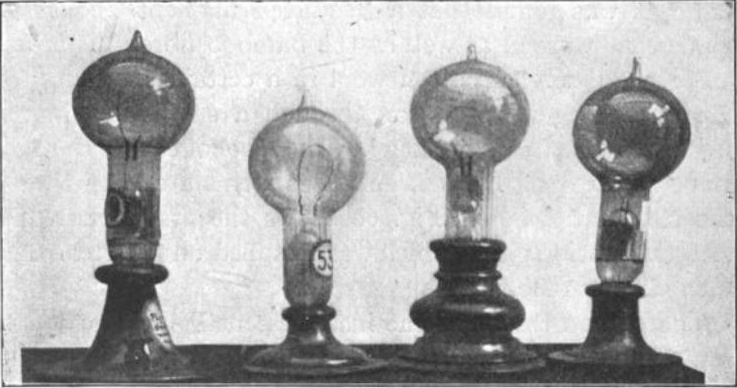
The Incandescent Light Bulb
A glowing thread of carbon turned night into negotiable hours — and lit the modern city.
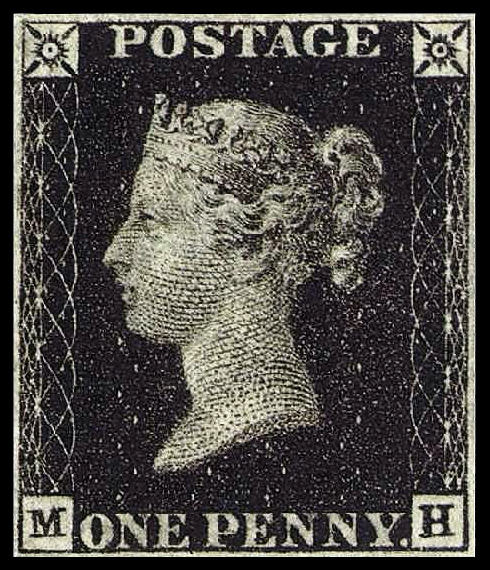
The Penny Black & the Post
A penny stamp put a letter within everyone's reach — and invented the mail as we know it.