Charles Dickens
1812–1870

📌 Pin it
Charles Dickens was the most popular novelist of the Victorian age, publishing his novels in monthly serial installments that had readers queuing for the next chapter. His childhood brush with poverty — his father was imprisoned for debt, and the young Dickens worked in a blacking factory — gave his fiction an unmatched sympathy for the poor.
His defining Victorian works include A Christmas Carol (1843), which all but reinvented the modern Christmas; Bleak House (1852–53), a sweeping indictment of the legal system; and Great Expectations (1860–61). Across them he created some of literature's most enduring characters — Scrooge, Miss Havisham, Fagin — and a vision of London as a city of fog, workhouses and second chances.
Dickens campaigned for social reform as well as writing about it, funding homes for destitute women and railing against child labor. He died in 1870 and was buried in Poets' Corner at Westminster Abbey, mourned as a national figure.
More in Literature & Authors
All →
The Brontës
Three sisters from a Yorkshire parsonage who wrote two of the most passionate novels ever published.

Oscar Wilde
The wittiest man in London — until Victorian morality put him on trial.
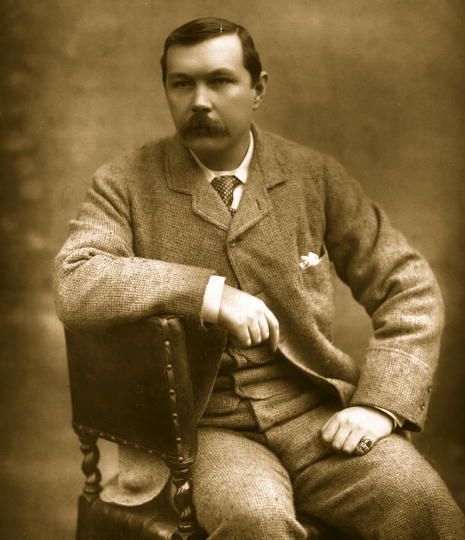
Arthur Conan Doyle
The doctor who created Sherlock Holmes — and then tried to kill him off.