Dynamite
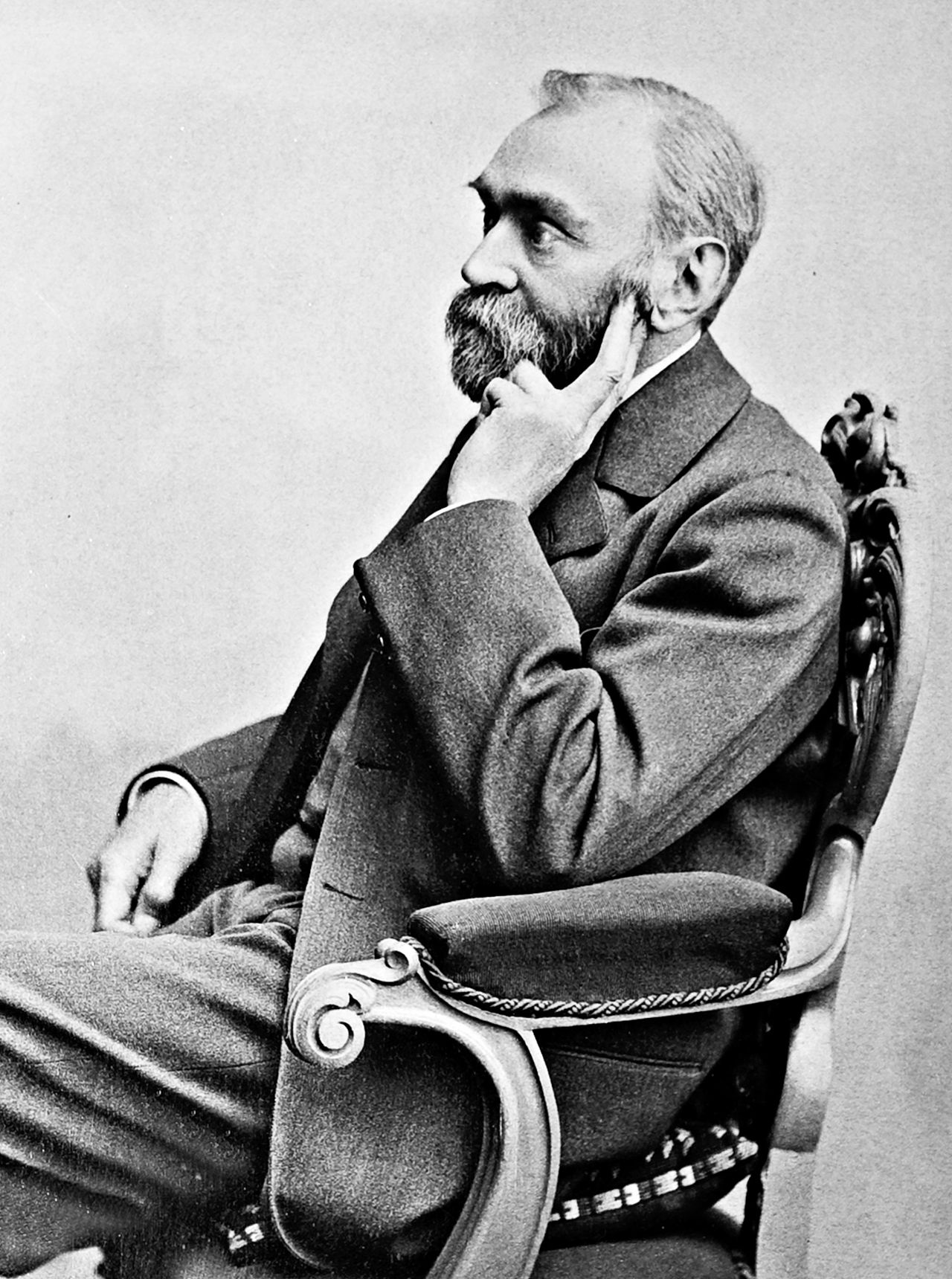
Alfred Nobel
📌 Pin it
Nitroglycerin was terrifyingly useful and terrifyingly unstable — the slightest jolt could detonate it. Alfred Nobel, a Swedish chemist who had watched an explosion kill his brother Emil in 1864, found the answer in kieselguhr, a chalky diatomaceous earth: soaked into it, nitroglycerin became a stable, moldable paste that could be handled, shipped, and drilled into rock. He patented the mixture in 1867 and demonstrated it that year at a quarry in Redhill, Surrey.
The patent actually called it 'Nobel's Safety Powder', but Nobel chose 'dynamite' — from the Greek dynamis, meaning power. It was safer than its predecessors but hardly safe, and Nobel knew the moral weight of his fortune: when a Paris newspaper mistakenly printed his obituary in 1888, it called him 'the merchant of death'.
Dynamite and its successors — gelignite (1876), ballistite — blasted the tunnels, canals and mines of the industrial age, and by his death Nobel held 355 patents and owned more than 90 explosives factories. That fortune, left in his 1895 will, funds the Nobel Prizes — the merchant of death's answer to his own obituary.
Frequently asked
What is dynamite made of?
Nitroglycerin absorbed in kieselguhr, a chalky clay of diatomaceous earth — which made the dangerously unstable nitroglycerin safe enough to handle, ship and drill into rock.
When was dynamite invented?
Alfred Nobel patented it in 1867 and demonstrated it the same year at a quarry in Redhill, Surrey.
How did dynamite pay for the Nobel Prizes?
Nobel's explosives business made him enormously wealthy — 355 patents and over 90 factories — and his 1895 will left the fortune to fund annual prizes for physics, chemistry, medicine, literature and peace.
Why it matters today
Dynamite bored the tunnels and canals of the modern world — and its profits became the Nobel Prizes, turning the most famous arms fortune into science's highest honour.
More in Inventions & Industry
All →
The Telephone
A wire, a voice, and a patent filed on the same day as a rival's — the device that taught distance to speak.

The Incandescent Light Bulb
A glowing thread of carbon turned night into negotiable hours — and lit the modern city.

The Steam Locomotive
A hissing iron horse won a race in 1829 — and pulled the Victorian age along behind it.