Jenny Lind, the Swedish Nightingale
The singer London went mad for
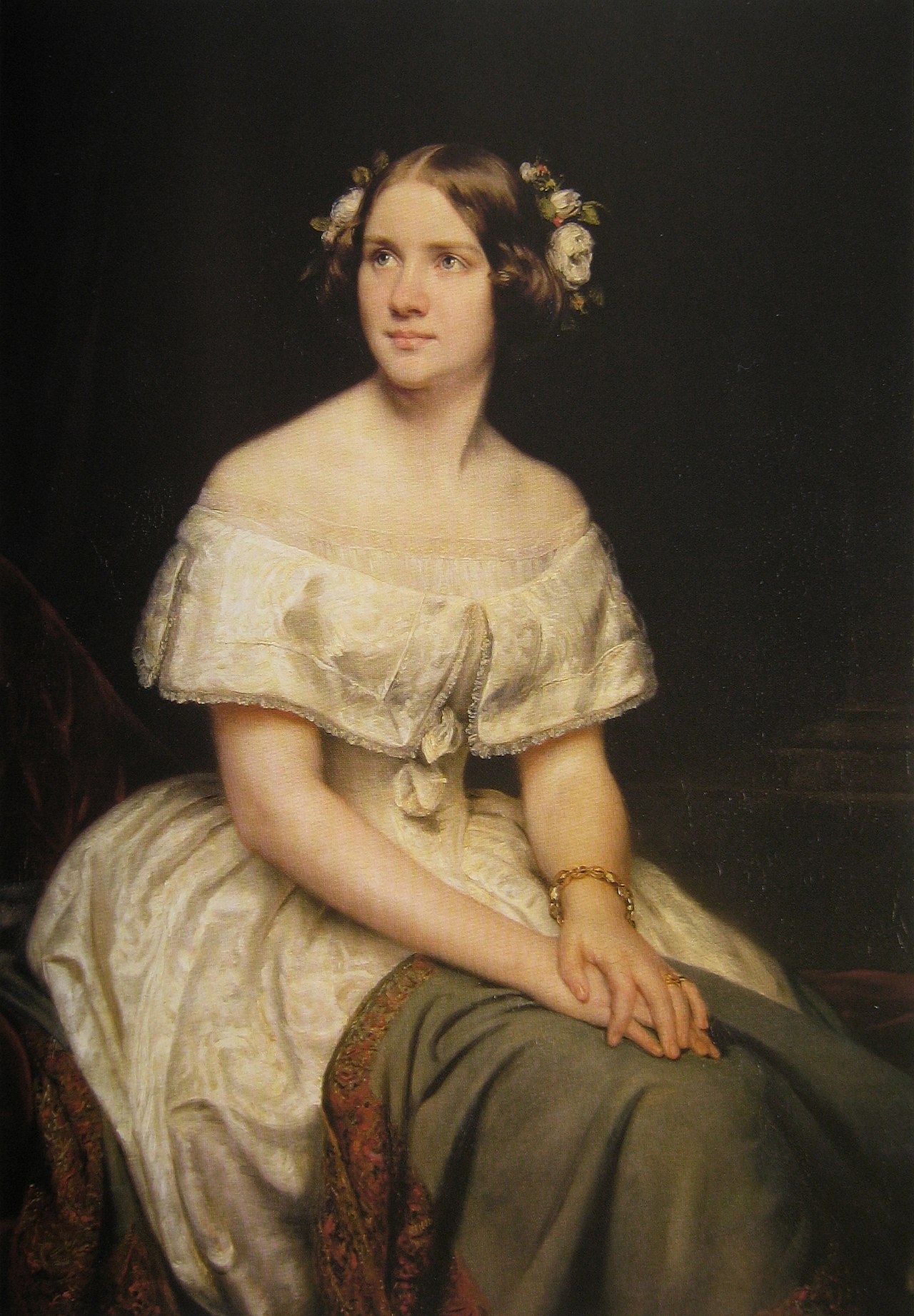
📌 Pin it
Johanna Maria Lind was born in Stockholm on 6 October 1820, and by the time she reached London she was already famous across Europe. Her London debut came on 4 May 1847, as Alice in Meyerbeer's Robert le diable at Her Majesty's Theatre, with Queen Victoria in the audience — and, in the critic Henry Chorley's phrase, the town "went mad about the Swedish nightingale". That July she created Amalia in the world premiere of Verdi's I masnadieri, conducted by Verdi himself.
She retired from opera at twenty-nine — her last opera performance was on 10 May 1849, again in Robert le diable, again with Victoria present. The following year P. T. Barnum, who had never heard her sing, brought her to America: she gave 93 concerts for him and then toured under her own management, earning more than $350,000 and giving most of it to charity, principally to endow free schools in Sweden. She married her accompanist Otto Goldschmidt in Boston on 5 February 1852 and settled in England.
In later life she taught singing and led the sopranos of the Bach Choir, which Goldschmidt had founded in London. She died on 2 November 1887 at Wynds Point in Herefordshire. Her name lives on in the Jenny Lind Children's Hospital in Norwich — and the nightingale nickname became the template for every celebrated soprano after her.
Frequently asked
Why was Jenny Lind called the Swedish Nightingale?
For the purity and naturalness of her singing — the nickname caught on after her London triumphs of 1847 and followed her for the rest of her life.
Did P. T. Barnum really sign her without hearing her?
Yes — Barnum had never seen her perform when he offered the American tour. His publicity campaign made her a household name in the United States before she arrived.
What did she do with the Barnum money?
She gave most of it away, principally to endow free schools in Sweden — a philanthropy that was as famous in her lifetime as her voice.
Why it matters today
Lind proved a singer could be a global celebrity — Barnum's campaign for her is the ancestor of the modern publicity tour, and her philanthropy set the pattern for the star who gives the money away.
More in Music & Theatre
All →
The Mikado
A comic opera set in an imaginary Japan that ran for 672 nights — the Victorians' most-performed operetta, still staged everywhere today.

Adelina Patti
The soprano who commanded $5,000 a night in gold, sang for Lincoln, and built her own opera house in a Welsh castle.

Marie Lloyd, Queen of the Music Hall
Fifteen when she first sang in public, the queen of the music hall turned a wink and a double entendre into the most famous act in Britain.